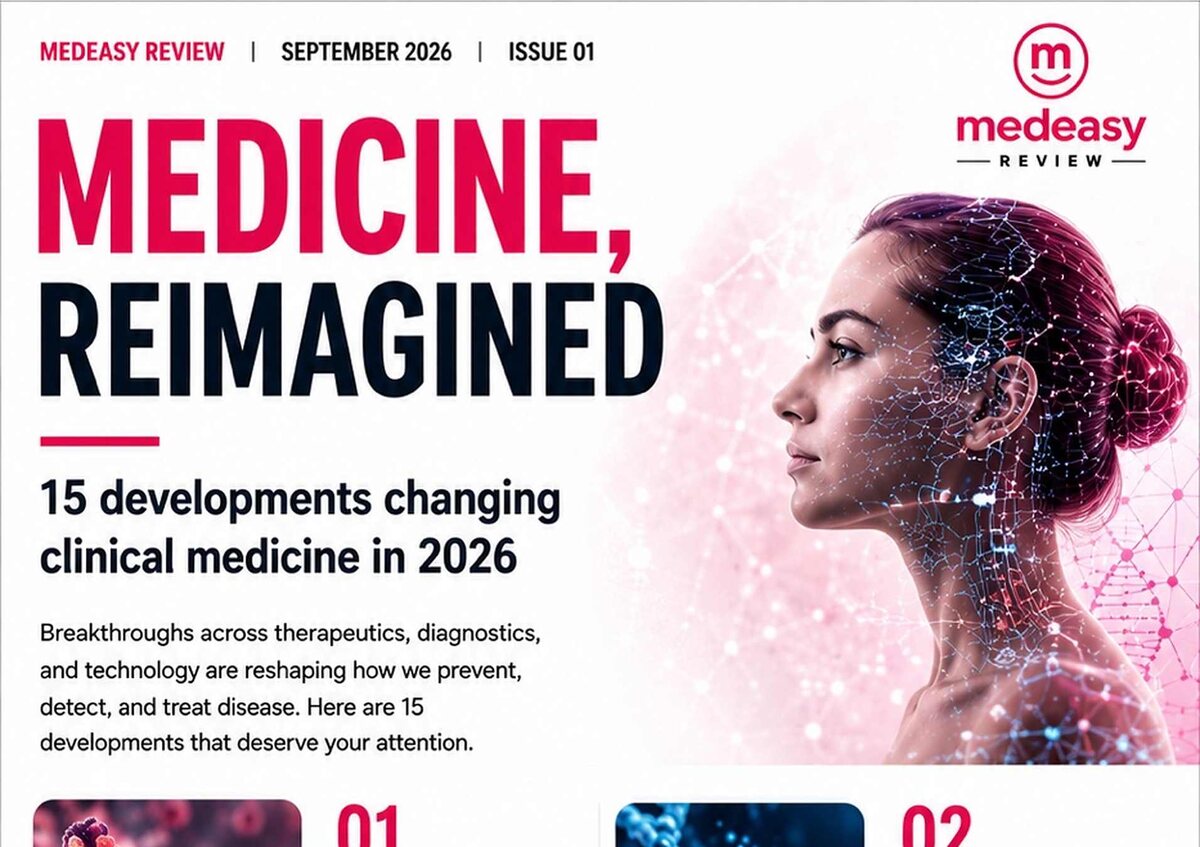
The durable shift is toward earlier detection, more precise treatment, and care designed around outcomes rather than isolated measurements.
The signal beneath the noise
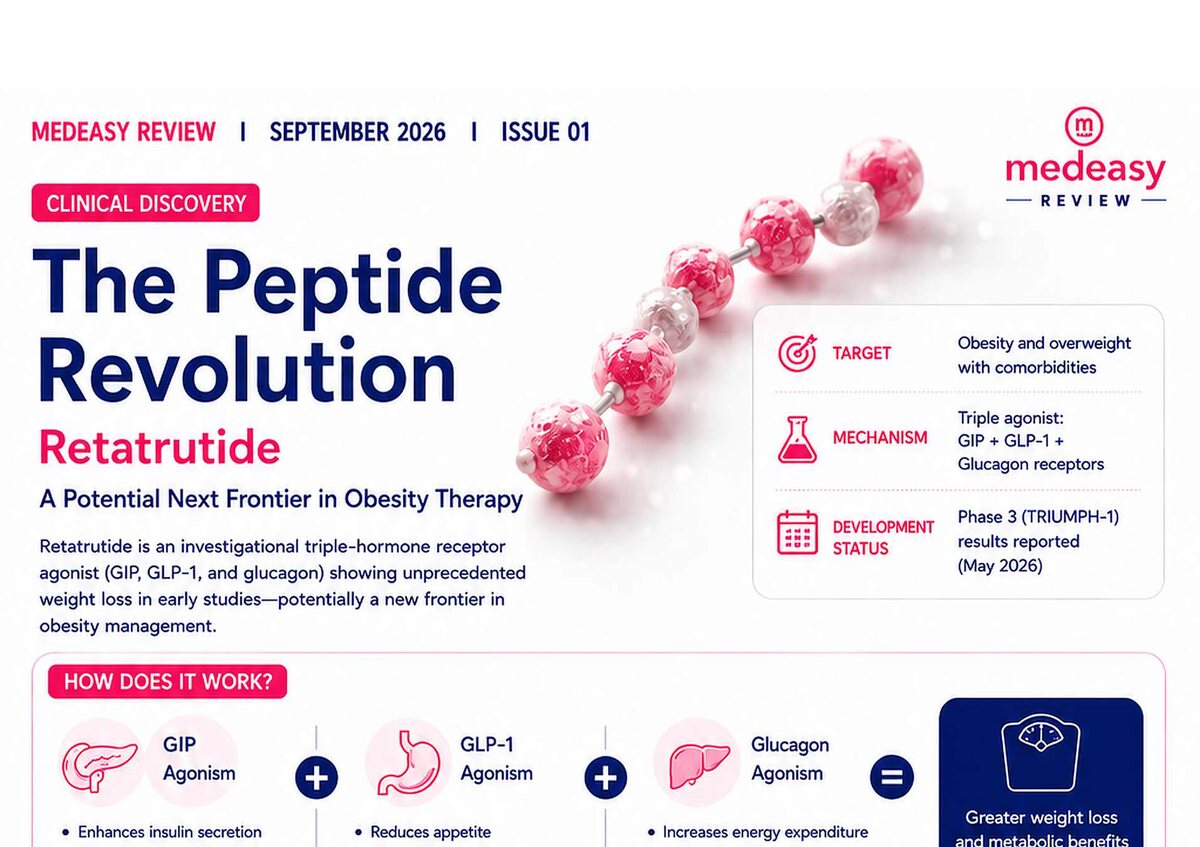
Clinical innovation is moving on several fronts at once: next-generation oncology, gene editing, AI-assisted diagnostics, obesity therapeutics, liquid biopsy, cardiovascular prevention, and medical-grade wearables. The useful question is not which technology is newest, but which changes diagnosis, treatment selection, or patient outcomes.
What is reaching practice
- Precision oncology is becoming more actionable as targeted therapies and molecular testing mature.
- Metabolic medicine is expanding beyond glucose control toward weight, kidney, and cardiovascular outcomes.
- Wearables are moving from wellness signals toward clinically useful screening - while still requiring confirmation.
- Risk assessment is becoming more individualized through genomics, imaging, biomarkers, and longitudinal data.
The physician's role
New tools do not replace clinical judgment. Their value depends on patient selection, evidence quality, accessibility, and careful interpretation in context.
References
- Medeasy Review, Issue 01, pp. 4-6.
Educational summary from Medeasy Review Issue 01. Verify recommendations against current guidelines, local approvals, product information, and the individual patient's circumstances.